

Living in Florida has incredible perks, but the water isn’t always one of them. If you are a homeowner, you have probably already faced the invisible enemy of your plumbing: hard water.
It’s not just a technical term; it’s a reality that affects everything from the shine of your hair to the lifespan of your washing machine. At Central Florida Water Treatment Inc., we know you aren’t looking for a chemistry lesson, but clear solutions. That’s why we have prepared this guide based on real data so you understand what is happening in your faucets and which systems are leading the market in 2026.
What is Hard Water and Why is it a Problem in Florida?
Hard water is simply water that has picked up a heavy load of minerals, mainly calcium and magnesium, while traveling through the ground and limestone rocks of our region. Although it poses no health risk to drink, it is devastating to your home’s infrastructure.
The symptoms you cannot ignore:
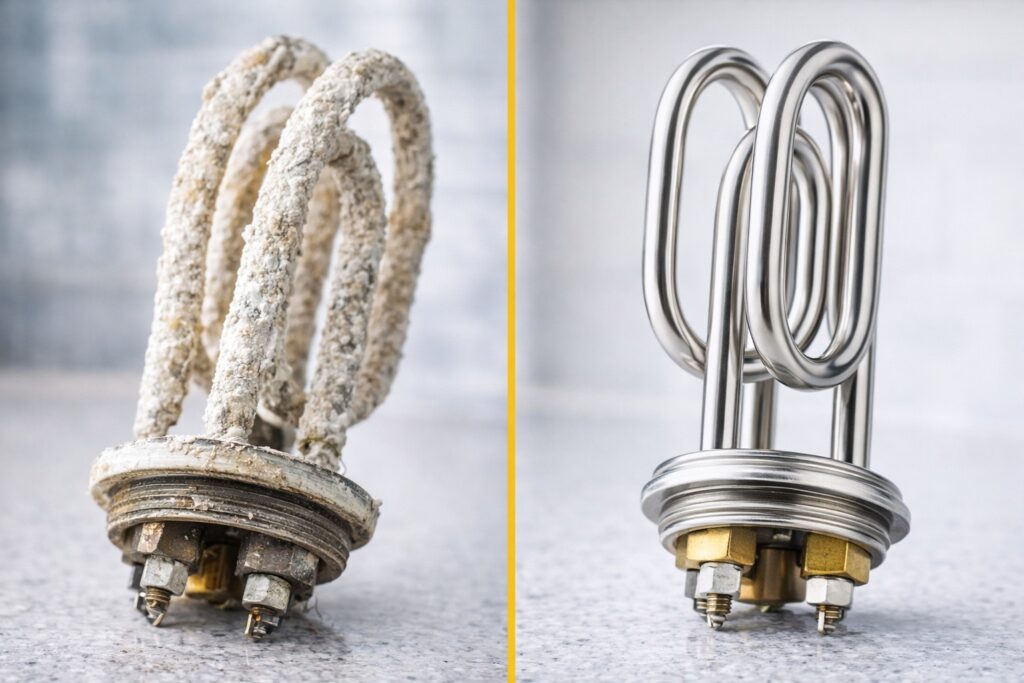
- Limescale buildup: That white crust you see on showerheads is just the tip of the iceberg; the same thing is happening inside your water heater.
- Rough clothes and spotted dishes: Minerals prevent soap from dissolving properly, leaving a grayish residue on your clothes and cloudy spots on your glassware.
- Energy expense: A water heater with just 1.5 mm of scale buildup can lose up to 15% efficiency, translating into higher electricity bills.
A properly installed water softener nips these problems in the bud, eliminating minerals before they enter your piping network.
How Does a Softener Work? (Without Complications)
The most reliable technology today is ion exchange. Imagine the system is a filter with specialized “magnets.”
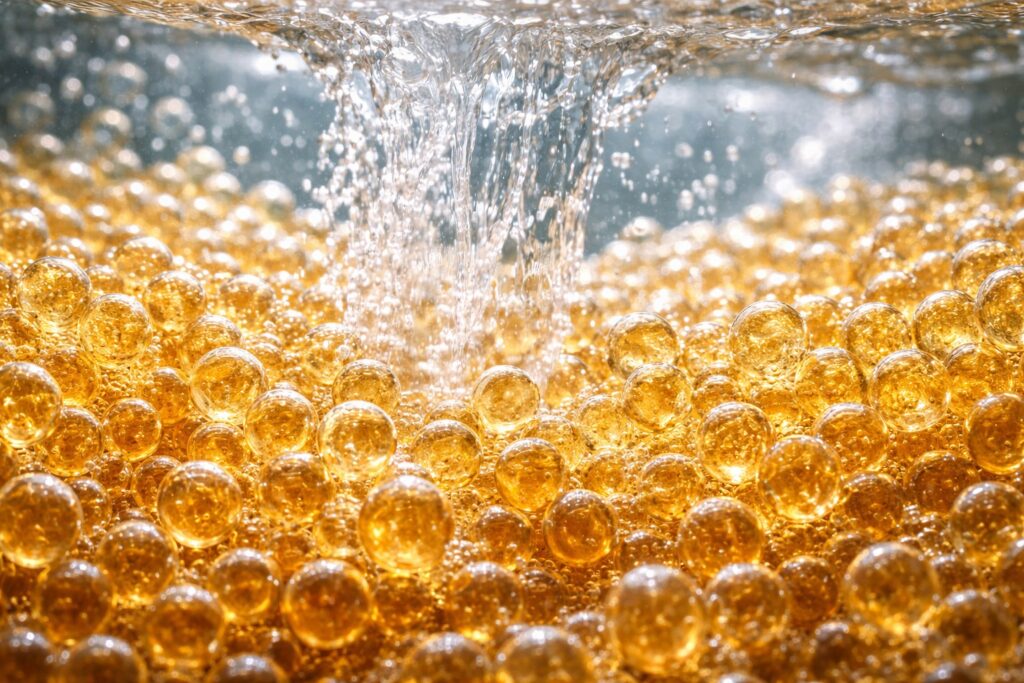
- The process: Hard water passes through a tank filled with tiny resin beads. These beads trap calcium and magnesium and, in exchange, release a minimal amount of sodium.
- Smart regeneration: When the beads are full, the system “cleans” itself with a brine solution. Modern systems are so advanced that they only clean when they detect you have consumed a certain amount of water, saving salt and money.
System Types: Which One Fits Your Lifestyle?
Not all homes are the same, and the system you choose must adapt to your daily consumption.
- Single-Tank Systems
These are compact and economical. The resin tank and brine tank are in the same unit. They are perfect for small homes or apartments where space is gold.
- Dual-Tank Systems
This is the favorite system for large families in Florida. While one tank is cleaning itself (regenerating), the other keeps working. This means soft water 24/7, without interruptions, even if you do laundry at midnight.
- Hybrid Systems
They combine the best of two worlds: they soften the water and also have an activated carbon filter. Not only do they remove hardness, but they also eliminate the taste and odor of chlorine from city water.
Analysis of the Best Systems for 2026
Based on performance under local water conditions, these are the systems we recommend for their durability and efficiency:
North Star NSCWC18: The Smart Hybrid
This model is ideal for those looking for simplicity. It has a 35,600-grain capacity and is certified to reduce not only scale but also sediment and chlorine.
- Strong point: Its AutoSense technology calculates exactly how much salt it needs for each cleaning cycle, avoiding waste. Ideal for families of up to 5 people.
Kenmore 420: The Solution for Wells
If your home uses well water, this is your ally. With 40,000 grains of capacity, it is exceptionally good at eliminating iron (that mineral that leaves orange stains in the toilet).
- Strong point: It uses artificial intelligence to adapt to your family’s consumption, reducing salt usage by up to 40%.
EcoPure EP42: Power and Reliability
Designed for households with high demand (6 or more people). It is a robust system, NSF certified for scale and iron reduction. It is a long-term investment for those who don’t want to worry about constant maintenance.
North Star NST45ED1: Industrial Performance at Home
If you have a large house with many bathrooms, this model’s dual-tank design ensures you never run out of soft water. It is compatible with both city and well water.
The Real Value: Why Invest Now?
Many homeowners see a water softener as an expense, but in reality, it is one of the few home improvements that pays for itself.
- Savings on detergents: With soft water, you need 50% less soap to get the same results.
- Appliance protection: Extending the life of your dishwasher and water heater by an additional 5 or 10 years saves thousands of dollars in premature replacements.
- Personal care: Soft water maintains the natural oils of your skin and hair, eliminating the need for expensive creams to combat dryness caused by chlorine and calcium.

How to Get Your Choice Right: Data Analysis
Don’t buy a system blindly. A softener that is too small will overwork itself and break down soon; one that is too big will waste resources. The key is correct sizing.
At Central Florida Water Treatment Inc., we analyze your water’s hardness, iron content, and your home’s gallons-per-minute flow rate to recommend the exact grain capacity you need.
Conclusion
Hard water is a reality in Florida, but it doesn’t have to be your problem. From hybrid systems that improve taste to powerful dual-tank units for large families, there is a solution designed for your home.
At Central Florida Water Treatment Inc., we have been transforming our neighbors’ water for decades. It’s not just about pipes; it’s about your family’s quality of life. If you are ready to see the difference professional treated water makes, we are here to help.