

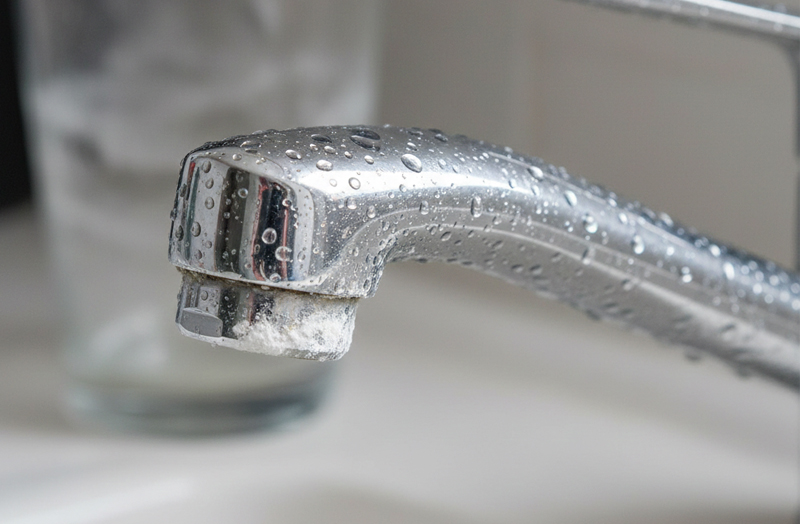
If you live in Orlando, Winter Garden, or anywhere in the surrounding area, you likely notice something specific about your tap water. Maybe your glass shower doors are perpetually cloudy, or your skin feels tight and itchy right after a shower. These aren’t just annoyances; they are the classic symptoms of hard water in Central Florida.
While the Sunshine State is famous for its beautiful beaches and vibrant tourism, it is also infamous for having some of the hardest water in the country. But what exactly is hard water? Why does it damage your home’s plumbing? And most importantly, whether you are in an existing home or looking into Florida Water Treatment for New Construction, how do you fix it?
In this guide, we break down the basics of water hardness and explain why a proper treatment system is essential for homeowners in our region.
What Exactly Is “Hard” Water?
To understand why your water acts the way it does, we have to look at the chemistry in a simple way. “Hardness” is a measure of the dissolved mineral content in your water supply—specifically calcium and magnesium.
In Central Florida, our water primarily comes from the Floridan Aquifer. This massive underground reservoir sits beneath a layer of limestone rock. As rainwater filters down through the soil and into the aquifer, it passes through this limestone, picking up dissolved calcium and magnesium along the way. By the time that water is pumped out of the ground and sent to your tap, it is rich in these minerals.
While these minerals are not toxic and are generally safe to drink (ensuring potable water sanitation in florida standards are met), they wreak havoc on your home’s infrastructure. The more calcium and magnesium dissolved in the water, the “harder” it is.
How Do We Measure Water Hardness?
When you have your water tested by a professional from Central Florida Water Treatment Inc, you will likely hear two different terms used to describe the results: Parts Per Million (PPM) and Grains Per Gallon (GPG).
It is helpful to understand the difference without getting too technical:
- Parts Per Million (PPM): This is a scientific measurement often used in laboratories. It literally counts the units of mass of a chemical per million units of total mass.
- Grains Per Gallon (GPG): This is the industry standard for the water treatment industry.
The Simple Math: To convert PPM to GPG, you simply divide the PPM by 17.1.
- Example: If your water test shows 171 PPM of hardness, you divide 171 by 17.1, which equals 10 Grains Per Gallon (GPG).
In the water treatment world, anything over 7 GPG is considered “hard,” and anything over 10.5 GPG is considered “very hard.” In many parts of Central Florida, it is not uncommon to see hardness levels significantly higher than this.
Protecting Your Investment: Construction and Renovation
Many homeowners make the mistake of thinking water treatment is something you worry about only after pipes get old. However, the best time to address water quality is right at the start.
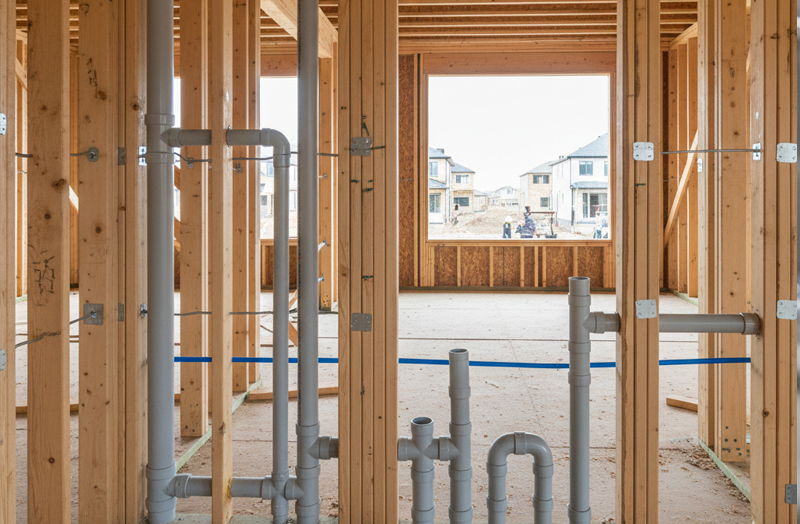
Water Treatment for New Construction is critical in Florida. If you are building a custom home or buying into a new development, the plumbing is pristine. By installing a water softener or processor immediately, you ensure that scale never has a chance to form inside those brand-new pipes. This is a vital part of Florida Water Treatment for New Construction, ensuring your water heater and high-end appliances last as long as the manufacturer intended.
Similarly, if you are upgrading your kitchen or bathroom, Water Management For Renovation should be part of your plan. There is no point in installing expensive granite countertops and high-end chrome faucets if hard water is going to stain and corrode them within six months.
The Consequences of Untreated Hard Water
If you don’t implement a solution, the natural minerals in the water will eventually cause problems.
- Scale Buildup (Limescale)
The most obvious sign of hard water is scale. This is that crusty, white-ish residue you see on your showerheads, faucets, and coffee pots. Chemically, this scale is Calcium Carbonate. It forms when hard water evaporates or is heated.
Inside your plumbing, this scale builds up over time, narrowing the diameter of your pipes and reducing water pressure. It is particularly damaging to water heaters. As the water heats up, the minerals precipitate out of the water and coat the heating elements. This forces your water heater to work much harder to heat the water, driving up your energy bills and leading to early appliance failure.
- The Soap Scum Problem
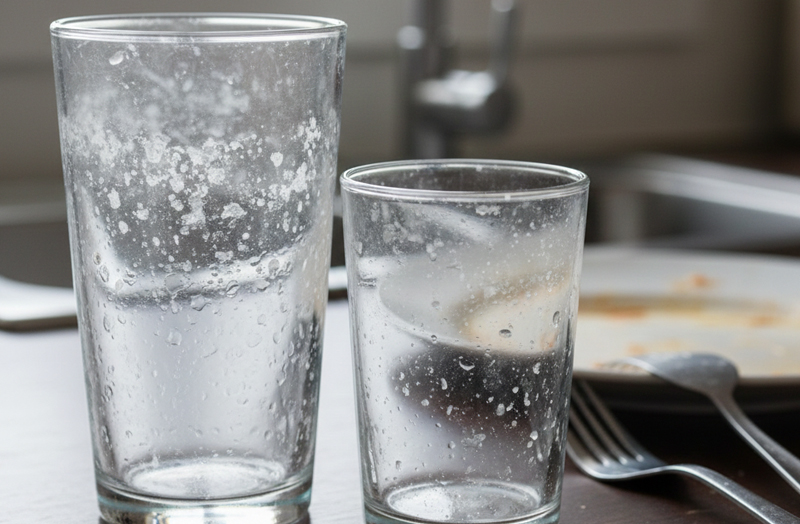
Have you ever felt like you can’t quite get the soap off your skin, or that your dishes have cloudy spots even after coming out of the dishwasher? This is a chemical reaction.
Calcium and magnesium ions in the water react with the fatty acids found in soap. Instead of creating a nice, bubbly lather, they create a sticky precipitate known as soap scum. This curd-like substance sticks to your shower walls, your bathtub, and your dishes.
- Effects on Skin and Hair
For many families, the impact on personal care is the biggest motivator for installing a treatment system. That same soap scum that sticks to your shower door also sticks to your skin.
When you wash in hard water, a film of soap residue is left on your body. This film clogs pores and strips the natural oils from your skin, leading to dryness, itchiness, and irritation. For those with sensitive skin conditions like eczema, hard water in Central Florida can make flare-ups much worse. Similarly, hard water causes the scales on hair shafts to stand up, making hair feel rough, frizzy, and difficult to manage.
The Solution: How Water Softeners Work
The most effective way to handle hardness is through a process called Ion Exchange. This is the technology used in standard water softening systems, such as our Silver Series and Gold Series Water Processors.
Here is the step-by-step process of how it works:
- The Resin Tank: The water softener contains a tank filled with thousands of tiny resin beads. These beads are negatively charged.
- Attraction: Calcium and Magnesium ions (the hardness minerals) are positively charged. As the hard water flows through the resin tank, the minerals are attracted to the resin beads like a magnet.
- The Exchange: The resin beads are initially coated with sodium ions. When the hard water minerals attach to the beads, they knock the sodium ions off. The hardness minerals stay trapped on the beads, and the harmless sodium ions are released into the water.
- The Result: The water that exits the tank is now “soft.” It contains no calcium or magnesium to cause scale or soap scum.
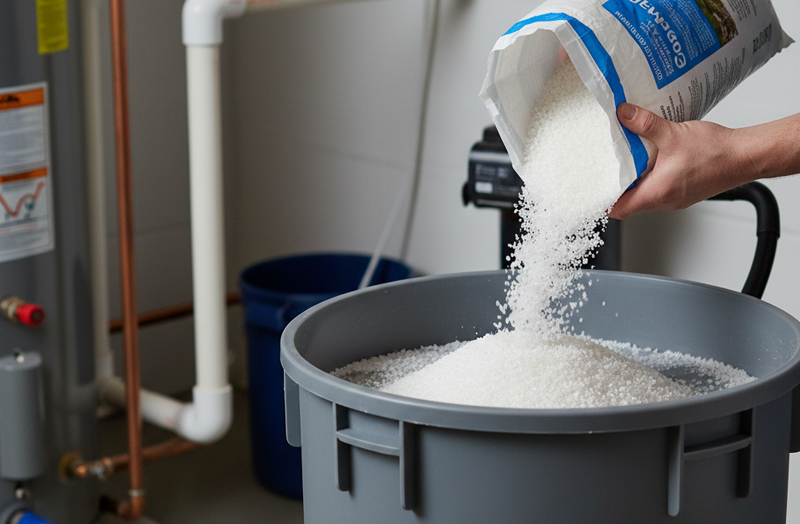
Eventually, the resin beads become full of calcium and magnesium and cannot hold anymore. This is when the system performs a regeneration cycle. The system flushes the tank with a saltwater brine solution, which forces the hardness minerals off the beads and down the drain, recharging the beads with sodium so they are ready to soften more water.
Choosing the Right System for Your Home
Not all water treatment systems are created equal. When choosing the right water softener for your Florida home, you need to consider the specific water chemistry of your municipality or well.
At Central Florida Water Treatment, we offer solutions tailored to our local water conditions:
- The Silver Series: Our standard design that effectively removes hardness, keeping your pipes and water heater free of mineral buildup.
- The Gold Series: A mixed-bed water softener and conditioner that not only removes hardness but also utilizes coconut-shell activated carbon to remove chlorine, bad tastes, and odors.
Installing a water softener isn’t just about luxury; it’s about protecting your investment. By removing the hardness, you extend the lifespan of your washing machine, dishwasher, and water heater, while also enjoying the benefits of softer skin and cleaner clothes.
Ready to Banish Hard Water?
You don’t have to live with scrubby towels, spotted dishes, and scale-clogged faucets. Understanding the science of hard water is the first step; fixing it is the second.
Whether you are looking for a retrofit for an older home or need Water Treatment for New Construction, the experts at Central Florida Water Treatment Inc are here to help. We can analyze your water and recommend the perfect system to ensure your family enjoys pure, soft water every time you turn on the tap.
Contact us today to schedule your water analysis and take the first step toward a cleaner, healthier home.