

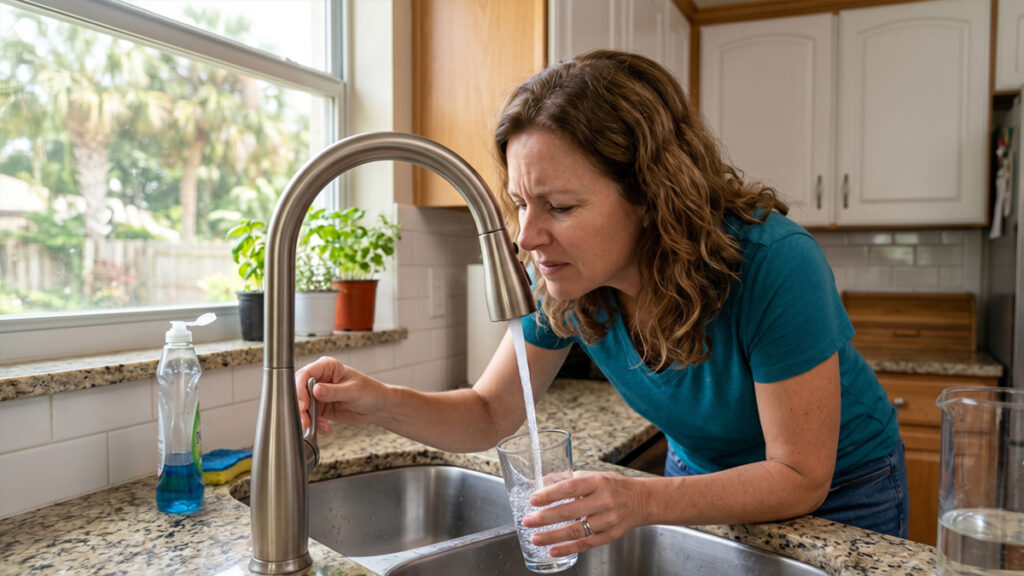
If you’ve ever noticed a strong smell or taste in your tap water—similar to a swimming pool—you’re not imagining things. That’s chlorine, a chemical widely used in municipal water systems across Central Florida to disinfect water and eliminate harmful bacteria.
While chlorine plays an important role in public health, many homeowners are increasingly concerned about its long-term effects on drinking water quality, skin, and overall comfort at home.
So, is chlorine in your tap water something to worry about? And more importantly, what can you do about it?
Why Is Chlorine Added to Tap Water?
Chlorine has been used for over a century as a disinfectant in public water systems. Its primary purpose is to kill harmful microorganisms such as bacteria and viruses before the water reaches your home.
In Central Florida, municipal water treatment facilities carefully regulate chlorine levels to meet safety standards. However, even when it’s within legal limits, chlorine can still create unwanted side effects for homeowners.
The Downsides of Chlorinated Water at Home
Although chlorine helps make water safe to drink, it doesn’t mean it’s ideal for everyday use in your home.
- Unpleasant Taste and Odor
One of the most noticeable effects is the strong taste and smell. Many people describe it as:
- Chemical-like
- Similar to pool water
- Bitter or metallic
This can discourage proper hydration and affect the taste of coffee, tea, and food.
- Dry Skin and Hair
Chlorine doesn’t just stay in your drinking water—it’s present in your showers too. Prolonged exposure can:
- Strip natural oils from your skin
- Cause dryness and irritation
- Leave hair feeling brittle and dull
For people with sensitive skin, this can be especially problematic.
- Potential Long-Term Health Concerns
When chlorine interacts with organic matter in water, it can form compounds called disinfection byproducts (DBPs), such as trihalomethanes (THMs).
Some studies suggest that long-term exposure to high levels of these compounds may be associated with certain health risks. While municipal water is regulated, many homeowners prefer to minimize exposure as an added precaution.
- Impact on Indoor Air Quality
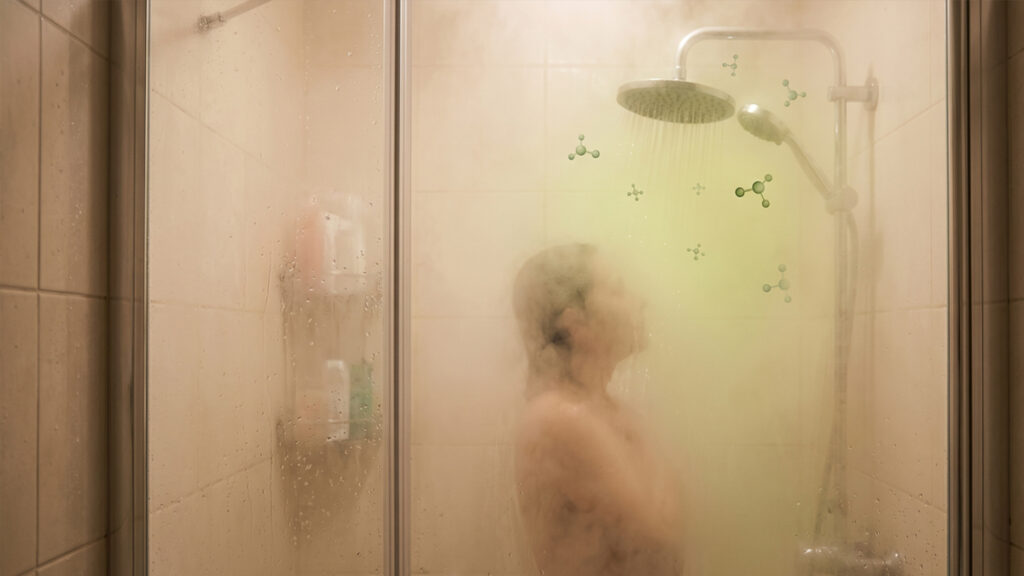
Here’s something many people don’t realize: chlorine doesn’t just affect water—it can also affect the air in your home.
When you shower with hot water, chlorine can evaporate and be inhaled. This means exposure isn’t just through drinking but also through breathing and skin contact.
Signs Your Water Contains High Chlorine Levels
You don’t need a lab test to notice chlorine. Common signs include:
- Strong chemical smell from tap water
- Taste similar to a swimming pool
- Dry or itchy skin after showers
- Faded or stiff laundry
- Water that smells stronger when heated
If you notice these symptoms regularly, chlorine could be a key factor.
Why Basic Filters Don’t Always Solve the Problem
Many households rely on pitcher filters or refrigerator filters. While these can improve taste slightly, they often fall short when it comes to fully addressing chlorine.
Limitations include:
- Only filtering water at one point (not whole home)
- Limited capacity and lifespan
- Inconsistent removal of chlorine and byproducts
For a more complete solution, a comprehensive water treatment system is often needed.
Effective Solutions for Chlorine Removal
Whole-Home Carbon Filtration Systems
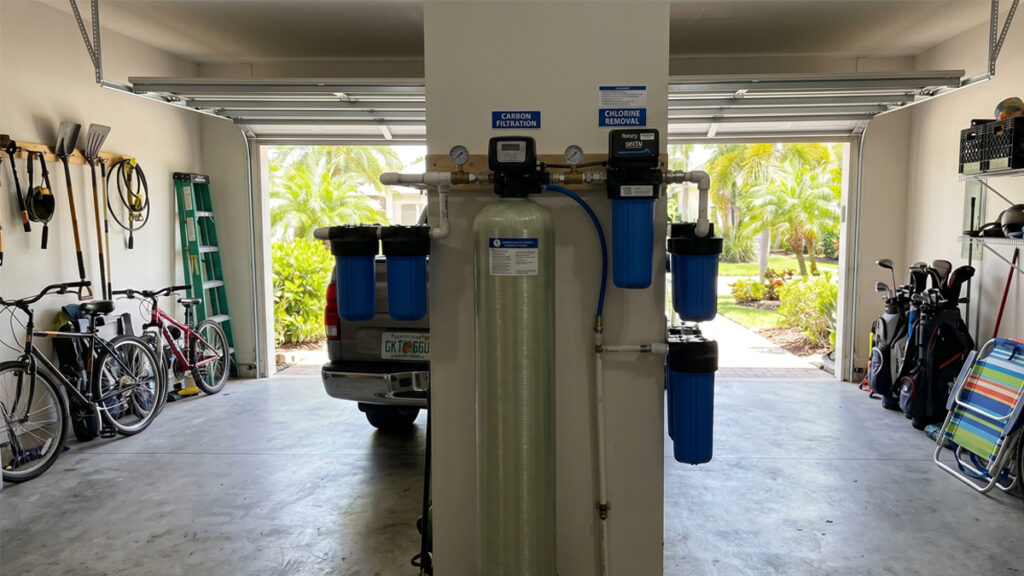
One of the most effective ways to remove chlorine is through activated carbon filtration. These systems are installed at the point where water enters your home, treating all water—not just what comes from a single faucet.
According to the solutions offered by Central Florida Water Treatment Inc, whole-home filtration systems can:
- Significantly reduce chlorine and chemical contaminants
- Improve taste and odor throughout the home
- Protect skin, hair, and appliances
Reverse Osmosis for Drinking Water
For an extra level of purification, reverse osmosis systems are ideal for kitchens and drinking water.
Their water purification solutions are designed to:
- Remove chlorine, DBPs, and other impurities
- Deliver clean, great-tasting water
- Provide peace of mind for cooking and drinking
Benefits of Removing Chlorine from Your Water
Installing a proper water treatment system doesn’t just eliminate chlorine—it transforms your daily experience.
Better Taste and Smell
Water becomes clean, fresh, and enjoyable to drink.
Healthier Skin and Hair
Less irritation and dryness after bathing.
Cleaner Air in Your Home
Reduced chlorine vapor during showers.
Improved Cooking Quality
Food and beverages taste as they should.
Whole-Home Comfort
Every faucet delivers better water.
Why Work with a Local Water Expert?
Not all water treatment solutions are created equal. Water conditions in Central Florida are unique, and choosing a local expert ensures your system is tailored to your specific needs.
Central Florida Water Treatment Inc brings decades of experience in treating regional water issues, offering:
- Customized system design
- Professional installation
- Ongoing maintenance and support
Their approach focuses on long-term solutions—not temporary fixes.
Conclusion
Chlorine in tap water serves an important purpose, but that doesn’t mean you have to live with its side effects. From unpleasant taste to skin irritation and indoor air concerns, chlorine can impact your daily life more than you might expect.
The good news is that with the right water treatment system, you can enjoy clean, refreshing water throughout your entire home.
If you’re ready to improve your water quality, consider reaching out through their contact page to explore the best solution for your home.